— Field notes
Custom furniture in Bangalore: 12 mistakes to avoid before ordering bespoke
The twelve commissioning mistakes we see repeatedly in Bengaluru — from measuring the lift to reading the warranty — and a pre-order checklist to catch each one before you sign.

Short answer: Twelve mistakes come up again and again when Bengaluru households commission bespoke furniture — and twelve of them are preventable in a single afternoon of due diligence. In this piece we list each one in order of how often we see it, with the specific question you should ask, and finish with a pre-order checklist you can take to any workshop in the city before signing. Written from the Cheemasandra workshop floor; written against ourselves as much as the industry.
Brief + proportion mistakes (1–3)
The first three mistakes come at the briefing stage. Catch them here and the rest of the project is easier; miss them and no amount of workshop skill downstream can save the piece.
1. Choosing furniture based only on Instagram photographs
Instagram is a terrible brief. The sofa that looks perfect on a 2:3 phone screen is lit by a professional, shot through a wide lens, posed in a 400 sq ft loft in Milan — and will land in your 180 sq ft Bengaluru living room with completely different proportions. We've opened five quotations in the last year where the inspiration image was a 4-metre Minotti sectional that physically could not fit through the client's lift.
Use Instagram for mood (colour palette, material feeling, overall tone), not for specification. Translate the mood into measurements, materials, and function in your actual room — then screen potential pieces against that written brief.
2. Not measuring the room, lift and door access
The piece has to arrive before it can sit in your living room. We've had three deliveries in 2026 where a 2.4 m sectional sofa made it to the ground floor of the building and refused to go further — too wide for the lift, too long for the stairwell turn, in one case 40 mm too tall for the stilt-floor beam. Those are preventable mistakes with a tape measure.
Measure before ordering: room dimensions (L × W × ceiling height), door width + height, lift internal L × W × H, stairwell width + landing turn radius, and corridor width to the room. For any piece over 2 m in any dimension, build it in knockdown form (frame joins at the workshop, re-assembles on site). Our standard practice is to flag any piece that can't travel through 900 mm doorways in one piece and offer the knockdown alternative upfront.
3. Ignoring seating ergonomics and proportions
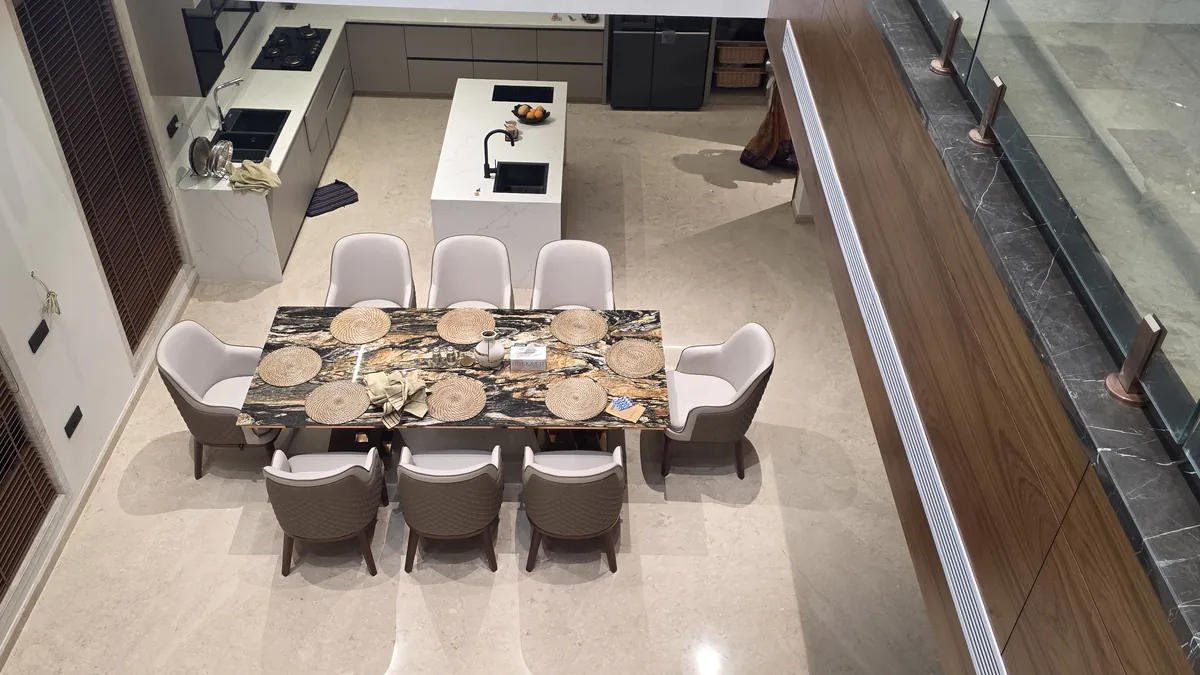
A sofa is a chair you share. Get the seat depth wrong and the whole family stops using it — kids slide off, adults can't rest their feet, the back is too far to lean into. Standard mistakes we see: seat depth over 700 mm on a sofa for a family under 5'8" (ends up with everyone perched on the edge), armrest heights that don't match the sofa (uncomfortable to lean), coffee tables under 400 mm on a sofa with 450 mm seat height (you can't reach your tea without hunching).
Fit the sofa to the household: measure how tall the primary users are, how they actually sit (lounging vs upright), and whether kids/pets will use it. A 650 mm seat depth is a good default for an average Indian household; 700 mm reads lazier; 600 mm reads formal. Chair-to-table clearances follow the same logic — 300 mm from floor to underside of apron for comfortable knee room.
Specification mistakes (4–6)
Mistakes in this group only reveal themselves 18–36 months after delivery. A piece that looked identical to the one next door on day one starts to fall apart quietly in year two.
4. Selecting materials without checking specifications
“Solid wood” is not a specification. “Premium fabric” is not a specification. “High-grade plywood” is not a specification. Every one of those phrases hides a 3× price spread and a 10-year difference in lifespan. Insist on species-level detail: Burmese teak vs local sheesham, marine plywood vs commercial, linen-cotton 1800 gsm vs polyester-blend 900 gsm. Our cost guide covers each tier at specification level.
When a quote comes in 30% below the competition, that's usually because one of these line items has been dropped a tier without you noticing. The piece looks identical on delivery day and starts to tell on you around month 24.
5. Overlooking Bangalore's seasonal humidity
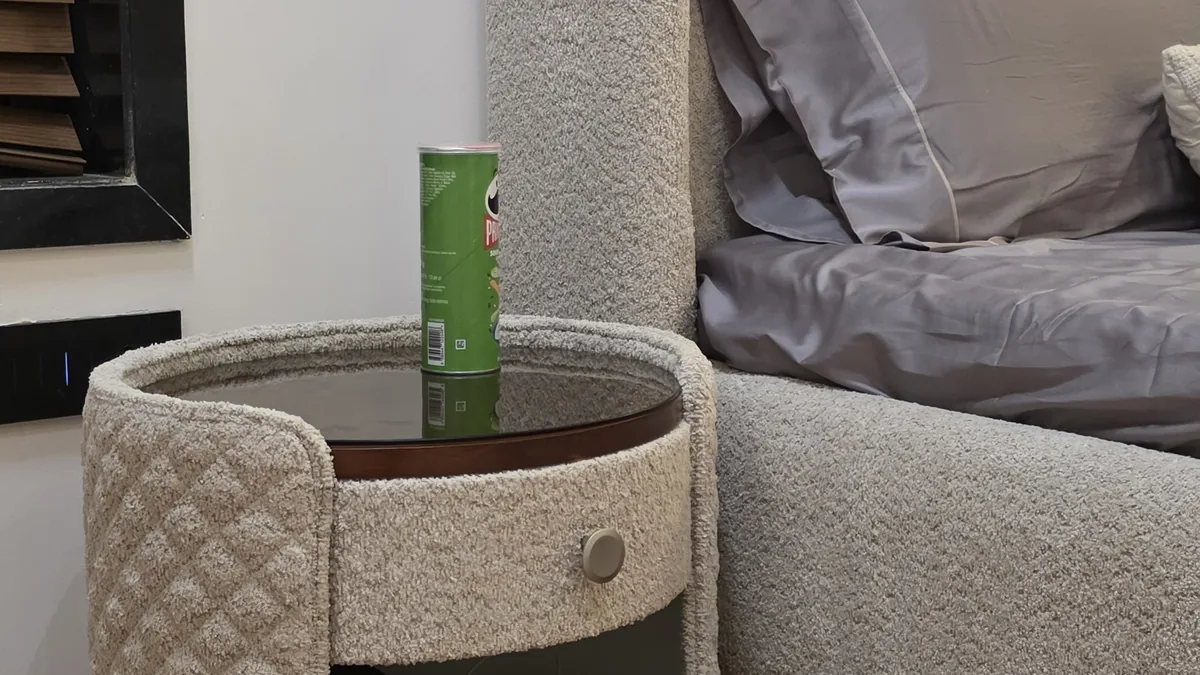
Four months of monsoon humidity above 70% does things to joinery that drier Indian cities don't see. Solid teak and French beech, properly kiln-dried to 8% moisture, hold up. Un-kiln-dried mango or sheesham will swell at the joints and loosen by year three. Mild-steel hardware will bloom with rust in a bathroom-adjacent wardrobe within 18 months. Melamine finishes on built-ins start to blister at the edges where humidity sits.
Ask every workshop: what moisture content do you dry your timber to, do you use BWP or marine ply in wet-area built-ins, and what's your hardware rust-protection spec? If they can't answer in specifics, the piece is going to fight the climate for the rest of its life. We cover the material logic in detail in our materials guide for Bengaluru's climate.
6. Choosing upholstery without considering maintenance
The white bouclé sofa that photographs beautifully in the brochure photo is a toddler-pet-and-tea-stain disaster waiting to happen. Pure silk fades at the window edge within 18 months. Dark velvets show every speck of Bengaluru's airborne dust between weekly cleans. Pure polyester on a sofa traps monsoon humidity and develops musty odour.
Match fabric to use: family room with kids and dogs → art-leather or a mid-tone linen-cotton with removable, washable covers. Formal drawing room → velvet or heavier linen. Bedroom accent chair → anything you like because it's rarely sat in. And for every piece, ask the maker: can the covers be removed, dry-cleaned, re-upholstered in year 7? If the answer is no, you've bought a disposable piece dressed up as bespoke.
Scope + delivery mistakes (7–10)
This group costs money. Not in the sense of a quality failure years down the line, but in the sense of an extra invoice, a missed deadline, or a change order that could have been in the original spec.
7. Ignoring storage and everyday functionality
The living-room TV unit that looks beautiful on day one has nowhere for the Wi-Fi router, set-top box, PlayStation and three remotes. The bed looks sculptural but has no footboard storage for extra bedding. The dining table seats six but has no space for the serving tray that lives on it every meal.
Walk through a normal day in the house before signing. Where does the mail land? Where do the shoes go when you walk in? Where do kids put their school bags? Where does the laptop sit when you work from the dining table? Bake answers for these into the furniture spec: a hidden drawer in the console, a wire-management port in the TV unit, two-level storage under the bed. Furniture that solves daily friction is remembered differently from furniture that only looks the part.
8. Not requesting drawings and material samples
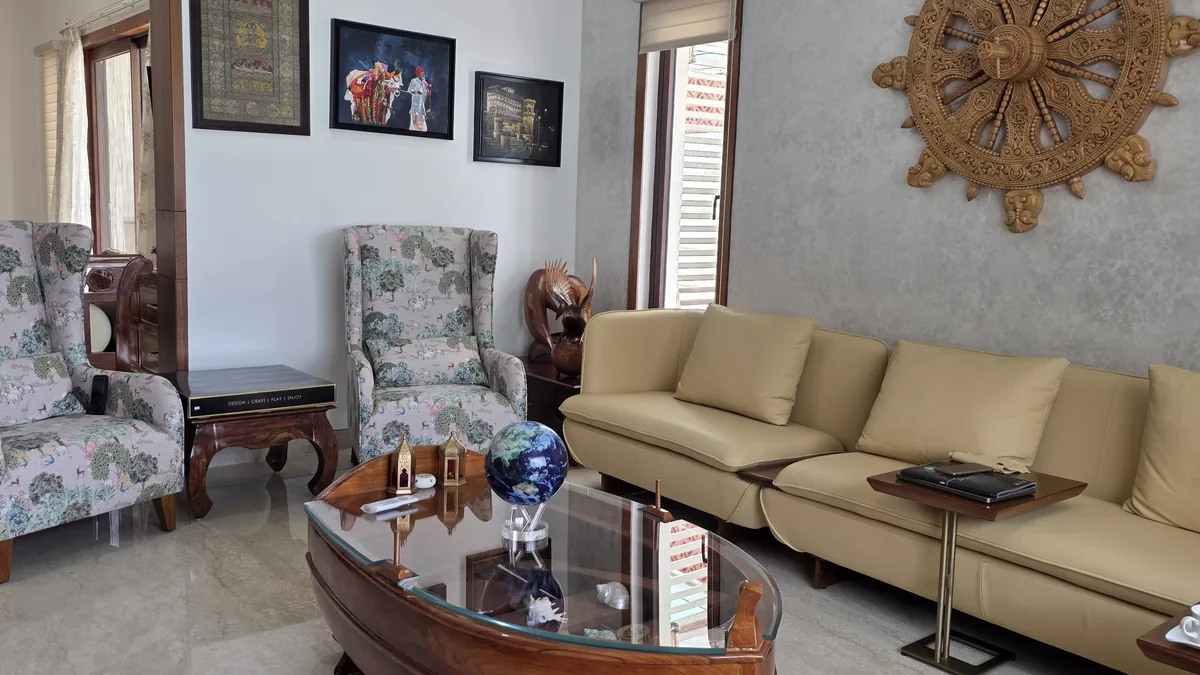
A verbal spec and a Pinterest board are a recipe for a piece you don't recognise at delivery. Insist on three deliverables before the workshop cuts anything:
- Dimensioned elevation + plan drawings of the piece, to scale, with every surface named
- Physical material samples: timber species, polish swatch, fabric or leather cutting (minimum A5), hardware brand brochure
- Written specification sheet — species, grade, hardware brand, fabric SKU, finish type — the same sheet that goes to the workshop floor
Sign off on all three before manufacturing starts. The 2–3 week delay to prepare these upfront is nothing compared to the 6–8 week delay to re-make a piece whose rose-gold hardware turned out to be bright chrome. Any serious Bengaluru workshop produces these as standard; one that refuses is one you back away from.
9. Comparing quotations based only on final price
Three quotes for “a custom L-shaped sofa in beige fabric” can arrive at ₹1.2 lakh, ₹1.65 lakh, and ₹2.3 lakh — and all three are honest numbers for completely different products. Price-only comparison tells you nothing because the specs underneath are different.
Normalise before comparing. Make a spec sheet with: frame species, plywood grade, fabric SKU + metres, hardware brand, finish, warranty, delivery, installation, GST. Ask each workshop to quote against that same sheet. Suddenly the ₹1.2 lakh quote comes back at ₹1.9 lakh because they'd been quoting commercial ply + generic hinges; the ₹2.3 lakh quote stays at ₹2.3 lakh because they were already quoting the mid-market spec. Now you have a real comparison.
10. Not clarifying delivery and installation
Delivery to any pin code in Bengaluru is not free, no matter what the sales pitch says. For a sofa it's ₹1,500–₹8,000; for a wardrobe or TV unit assembled on site, delivery + installation can be ₹8,000–₹20,000. Ask upfront. Also ask who's on the delivery crew (a two-person team can handle a sofa; a 6-door wardrobe needs 4+ and a trolley), whether they install the same day, whether there's a weekend surcharge, whether they take away packaging.
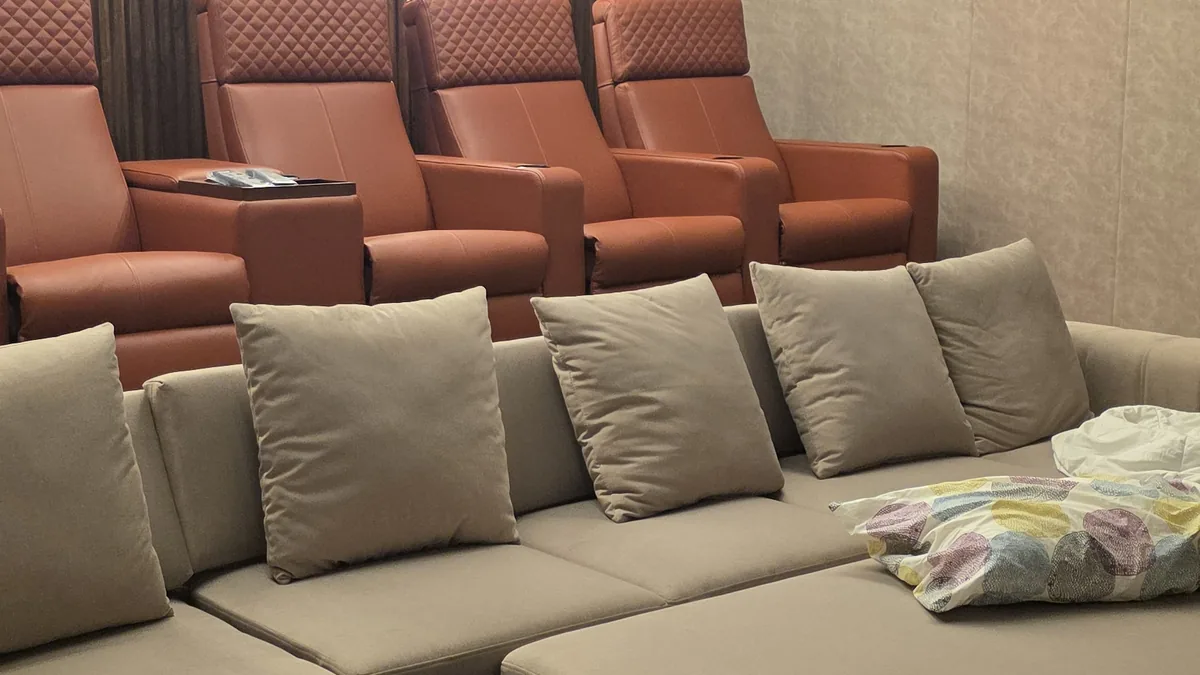
For complex installs — home theatre seating, floor-to-ceiling wardrobes, bar joinery — ask for a site survey before quoting. A proper workshop will send someone to measure, check wall structure, confirm electrical points, and flag anything that needs civil work before the piece lands. Workshops that quote without visiting the site are quoting from assumptions you'll pay for later.
Trust mistakes (11–12)
These two sit at the signature line and decide whether you have a workshop you can call back in year four, or a WhatsApp number that stops responding.
11. Overlooking warranties and after-sales support
Verbal warranties in this trade are worth nothing. Get it in writing: scope (frame joinery, upholstery, polish, hardware), period (standard is 12 months on workmanship, 5 years on frame joinery), what counts as covered (manufacturing defect) vs excluded (wear, misuse, humidity damage if care instructions weren't followed), and the response-time commitment on a warranty call.
Also ask about non-warranty after-sales: re-upholstery costs in year 7, polish refresh pricing, hardware replacement if a soft-close hinge fails outside warranty. A workshop that stocks spares and can quote a 10-year refresh on day one is a workshop planning to be around in year 10. One that mumbles when asked is one you may struggle to reach when something needs fixing.
12. Choosing a vendor without reviewing actual completed work
Portfolio websites and Instagram grids are curated. A workshop's real quality is in the pieces that have been living in Bengaluru homes for three to seven years. Ask every shortlisted workshop for two or three client references — ideally for projects of similar size, scope, and material tier to yours — and go visit at least one in person. Twenty minutes in a real Bengaluru living room looking at how the sofa has aged, how the drawer slides have held up, how the polish looks under warm evening light tells you more than any Instagram grid can.
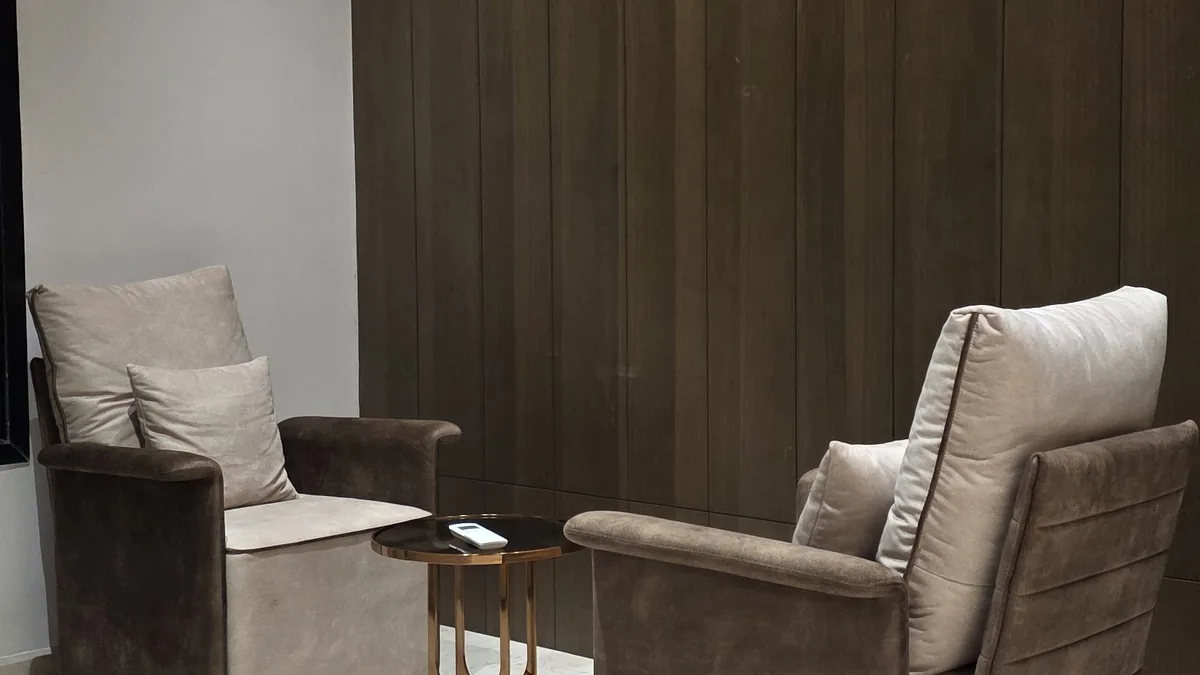
A workshop that pushes back on reference visits — citing “client privacy” without offering an alternative — is almost always one that doesn't have a strong aged portfolio to show. The confident ones welcome the visit.
Pre-order checklist
Take this to any Bengaluru workshop before signing. If you can tick every box, the odds of a successful commission jump dramatically.
- Measured room, lift, doorway, stairwell + corridor to the final position
- Written brief with piece dimensions, material tier, function, and inspiration mood
- Workshop visit completed — saw raw timber, in-progress joinery, polish line, sample library
- Dimensioned drawings signed off (elevation + plan, to scale)
- Physical samples held: timber, polish swatch, fabric/leather cutting (A5+), hardware brochure
- Written specification sheet listing species, grade, hardware brand, fabric SKU, finish
- Three quotes received against the SAME spec sheet, line-item broken down
- Warranty in writing: scope, period, exclusions, response time, refresh pricing on request
- Delivery + installation line clear: cost, crew size, same-day install, weekend policy, packaging
- Payment schedule agreed in writing: 50% advance / 30% delivery / 20% install is standard
- Visited at least one reference project in a Bengaluru home that's 3+ years old
- GST status confirmed (18% on furniture) and timeline committed to in writing
A word on time
Every mistake above has a common root: speed. Bengaluru households commission custom furniture in a hurry — move-in dates, festivals, baby arrivals — and the time pressure pushes them to skip the checklist. The checklist saves exactly the money the hurry costs you. Spend four afternoons on due diligence; save three years of regret.
Discuss your space with Flamingo
Have a furniture design in mind? Share your room dimensions, your use case, and your mood board — we'll come back within two working days with drawings, samples, and a line-item estimate you can hold against any other quote in the city. Start with the estimate form, browse completed work on our projects page, or visit the Cheemasandra workshop by appointment via the contact page. If you're still at the planning stage, our 2026 cost guide covers price bands by piece type + per BHK size, and the workshop-backed studio guide explains how the Cheemasandra workshop works.
— Written by
— Share this article


